Meals, Nutrition & Medication Support
About this service
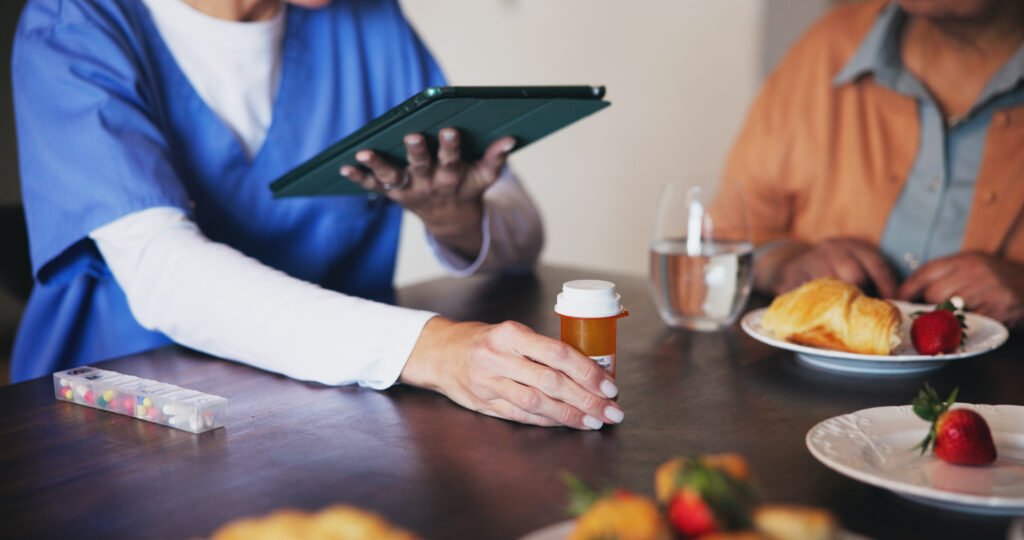
We plan simple menus, shop (or coordinate delivery), cook safe, familiar meals, support hydration, and keep medication routines on track. For clients in Alberta, these tasks often pair with AHS Home & Community Care plans; CDHCI may authorize time for essential homemaking tied to health/safety (e.g., safe meal prep) and for medication assistance (reminders/physical help) based on assessment, with approved hours billed to Alberta Blue Cross. Our practices follow Canadian food-safety guidance for older adults and AHS food-safety basics.
Who it’s for
- Clients who want help planning, shopping, and cooking while maintaining cultural and dietary preferences.
- People with complex med schedules who need assistance (reminders, packaging help) or nursing setup/administration when clinically required—consistent with AHS Medication Assistance Program (MAP) and Medication Administration policy.
- Anyone at risk of dehydration, malnutrition, or foodborne illness (older adults have higher risk and benefit from structured fluids and safe food handling).
What´s included in the service?
Menu planning & grocery lists
Build weekly menus that respect culture, medical diets, and budget; plan balanced choices and batch-cook options.
Grocery shopping / delivery coordination
Shop and put away, or arrange delivery; rotate fridge items and check expiry dates to lower food-safety risk for older adults.
Home cooking & safe kitchen practices
Prepare familiar meals; use separate boards for raw/cooked foods, cook to safe temperatures, and clean/disinfect high-touch areas—per AHS/Canada guidance.
Texture-modified & condition-specific prep
(as directed): Prepare familiar meals; use separate boards for raw/cooked foods, cook to safe temperatures, and clean/disinfect high-touch areas—per AHS/Canada guidance.
Hydration routines
Create a fluid schedule, place drinks within reach, and track intake; older adults have reduced thirst and benefit from frequent fluids to prevent dizziness, constipation, and falls.
Medication assistance (non-clinical)
Create a fluid schedule, place drinks within reach, and track intake; older adults have reduced thirst and benefit from frequent fluids to prevent dizziness, constipation, and falls.
Nursing medication setup/administration
(as needed) – LPN/RN visit for med reconciliation, weekly setup (blister packs/dosettes), injections, or administration per order; we coordinate with the client’s pharmacy.
Kitchen reset after meals
Food-safe storage, labeling, quick sanitation, garbage/recycling out.
Note on supplies & equipment: Client-specific items (special foods, supplements, blister packs, adaptive utensils) are not included in hourly rates. Eligible medical supplies/equipment are accessed via AADL assessment and approved vendors.
Frequently asked questions
What meal-related tasks can CDHCI cover?
CDHCI funds authorized service hours set by an AHS case manager—commonly personal care and essential homemaking linked to health/safety (which can include safe meal preparation, hygiene-related kitchen tasks, and incontinence-related laundry). Approved hours are billed directly to Alberta Blue Cross; families often add private top-ups for extra time or broader services.
What’s the difference between medication assistance and administration?
Under AHS policy, Medication Assistance may include verbal reminders, opening packages, or physically assisting; it can be assigned to unregulated providers. Medication Administration requires a regulated provider (e.g., LPN/RN) within scope. We match the right workflow to your needs.
How do you reduce food-safety risk for seniors at home?
We follow federal and AHS guidance: wash hands frequently; use separate cutting boards; cook foods to safe temperatures; refrigerate promptly; and avoid higher-risk items for older adults (e.g., undercooked meats). Staff can complete AHS Basic Food Safety training.
Do you track hydration?
Yes—hydration prompts and simple intake logs are available. Older adults have reduced thirst and are more prone to dehydration, which can increase falls and constipation; structured fluids help.
Who pays for blister packs, special foods, or adaptive utensils?
These are client-specific items and typically billed to the client or their benefits plan. If equipment is clinically required (e.g., certain aids), AADL may help following assessment by an authorizer and purchase through approved vendors.
Can you coordinate with our pharmacy?
Yes. With consent, nurses can reconcile medications and coordinate blister packs/changes with your pharmacy. (Community pharmacy standards require final checks when repackaging or compounding.)
How do you help with dehydration or poor appetite?
We create hydration schedules, offer preferred fluids throughout the day, and incorporate nutrient-dense snacks; AHS notes older adults have reduced thirst and benefit from planned fluid intake. We escalate to clinicians if intake remains low or weight drops.
Download our guide
Check out our guide to Home and Community Care.