End-of-Life & Palliative Care
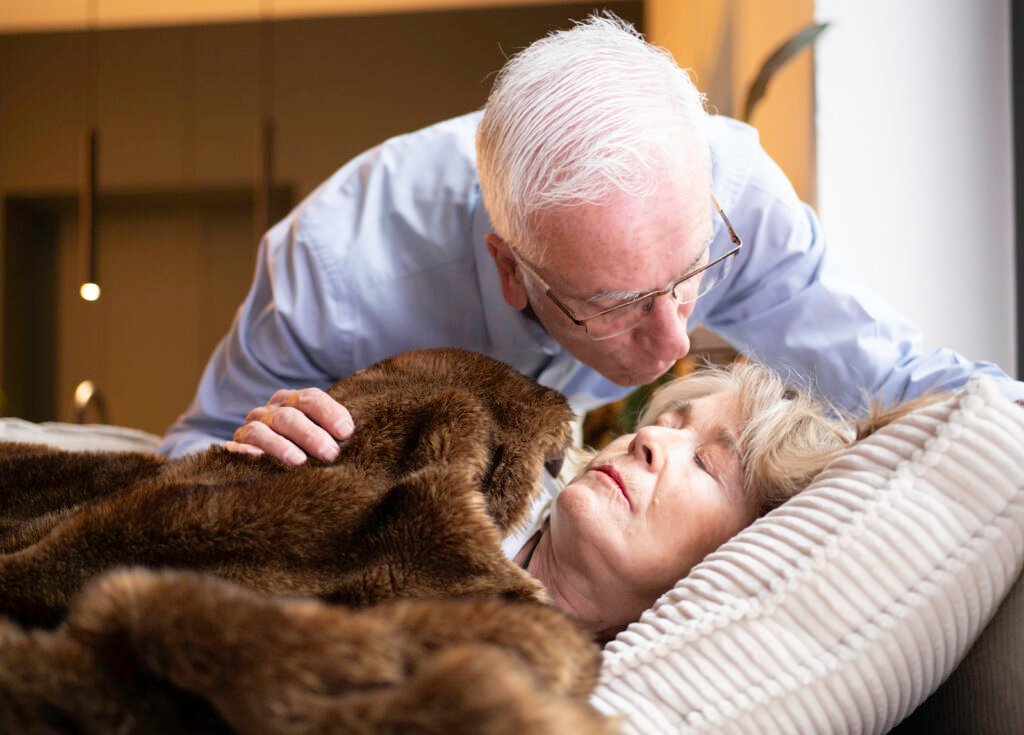
About this service
Compassionate, home-based support for people living with a life-limiting illness and their families. We focus on comfort, symptom monitoring, personal care, medication and equipment coordination, and practical help that lets clients remain at home as long as possible. In Alberta, AHS Palliative Home Care provides publicly funded services across all zones; supports often include in-home clinical care, access to consult teams, hospice, pediatric palliative services, crisis response at home, and grief/bereavement resources. We align our work with these programs and help families navigate what’s funded vs. private add-ons.
Who it's for
- Adults (and families) living with progressive, life-limiting illness who wish to receive care at home; AHS publishes zone materials describing Palliative Home Care in Calgary and Edmonton.
- People who want clear comfort-care plans (pain, breathlessness, nausea, delirium), practical daytime/overnight help, and coordination with the palliative team or hospice when needed. MyHealth Alberta explains the goals of hospice palliative care (comfort and quality of life).
- Families seeking grief and bereavement supports during and after caregiving (AHS and MyHealth Alberta list programs and resources).
What´s included in the service?
Comfort-focused personal care
Gentle bathing, mouth/skin care, repositioning, toileting, incontinence care, and pressure-injury prevention to maintain comfort and dignity. (These tasks commonly pair with public Palliative Home Care supports.)
Symptom observation & escalation
Track pain, dyspnea, agitation/delirium, nausea/constipation; escalate to the palliative nurse/physician using the zone’s on-call pathways. AHS programs include crisis response at home.
Symptom observation & escalation
Nurse visits for medication setup, injections, and titration per orders; caregivers receive practical teaching. (Hospice palliative care aims to relieve symptoms and enhance quality of life.)
Equipment & supplies coordination
Arrange hospital beds, walkers, commodes and other items through public programs or AADL where eligible; we set up and teach safe use. (AHS palliative materials highlight in-home supports and coordination.)
Family respite & coaching
Scheduled breaks for caregivers, plus coaching on comfort measures and what to expect; AHS lists in-home supports and bereavement services across zones.
After-hours contingency
Share how to access AHS supports such as the EMS Palliative & End-of-Life Care “Assess, Treat & Refer” program, designed to manage crises at home when appropriate
Funding note: Elements like personal care and respite may be authorized as CDHCI hours after AHS assessment (billed directly to Alberta Blue Cross), while broader palliative services are coordinated through AHS Palliative Home Care. Homemaking under CDHCI must be essential to health/safety and is not stand-alone.
Frequently asked questions
Can we stay at home with palliative supports?
Yes. AHS Palliative Home Care exists so people can remain at home as long as possible; services include home/community care and access to hospice and consult teams. We coordinate with your zone team and fill private gaps when needed.
What happens during a symptom crisis at night?
Alberta has an EMS Palliative & End-of-Life Care Assess, Treat & Refer program that supports managing symptoms in the home when safe to do so; your local palliative team provides zone-specific access details.
What grief or bereavement support is available for family?
AHS and MyHealth Alberta list grief programs (zone brochures, support groups, MyGrief.ca) and suggest contacting Health Link 811 or 211 to locate local resources.
How does CDHCI fit with palliative care?
After AHS assessment, personal care, in-home respite, and essential health-linked homemaking may be authorized and billed to Alberta Blue Cross under CDHCI; broader palliative services are arranged through AHS Palliative Home Care. Homemaking isn’t stand-alone under CDHCI.
Do Albertans prefer to be at home at end of life?
Yes—MyHealth Alberta notes most Albertans prefer to die at home or in continuing care rather than hospital, which is why home-based palliative options are emphasized.
Download our guide
Check out our guide to Home and Community Care